Category: California

  • Dorn Nature Trail

    Dorn Nature Trail

    While researching destinations across California, Clear Lake caught my eye. A naturally occurring lake is rare in California’s lowlands, and seeing one in the middle of wine country was highly intriguing. And it’s the oldest lake in America? Being just a couple hours north of the Bay Area, I thought, this must be another one of those magical summer retreat destinations that are overcrowded and over-toured.
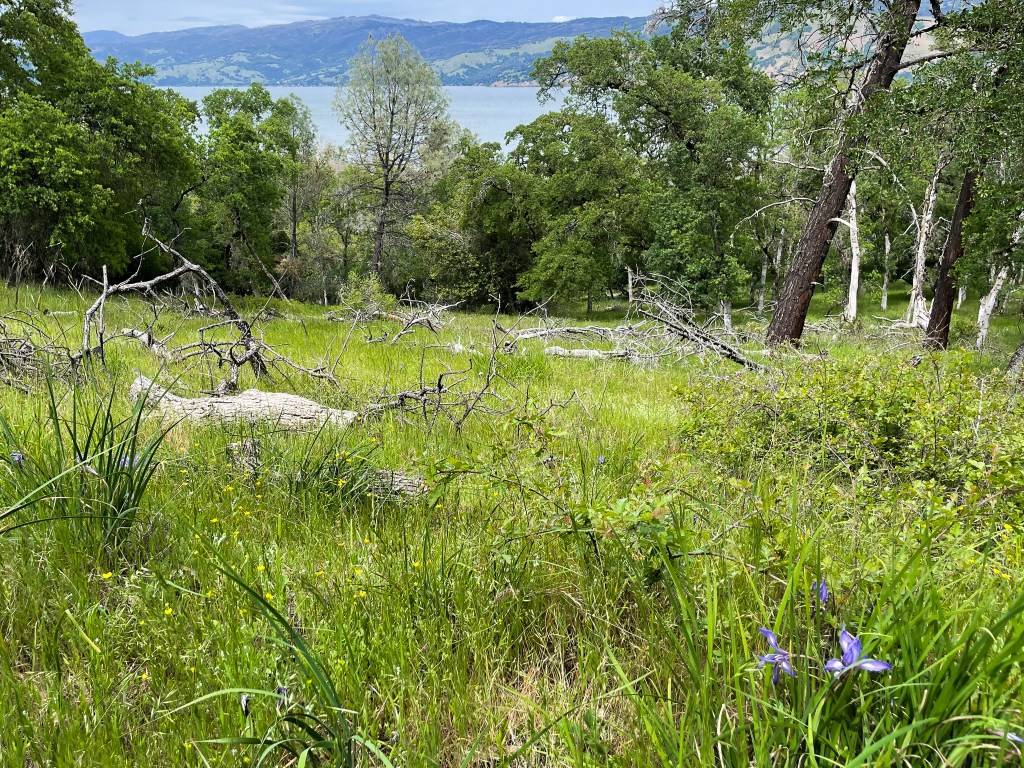
    Clear Lake as seen from the Dorn Nature Trail

    You can imagine my surprise when I found out the truth, that it is one of the most mocked and maligned places in California, earning nicknames like Methlake and the Redneck Riviera. When comparing it to Tahoe, Clear Lake is the natural and societal opposite. Instead of crystal clear waters, it’s muddy and algae infested throughout the summer. Instead of great wealth invested in giant mansions, it is one of the poorest parts of the state, with abandoned prefab homes sprinkled along the shore. It read like a Stranger Things Upside-Down version of Lake Tahoe, and I had to see it for myself.

    Cole Creek next to the parking lot and picnic area

    Clear Lake State Park protects just under 600 acres of land along the lake’s southwestern shoreline, and contains a small network of trails that provide modest views of Clear Lake and nearby Mount Konocti. My chosen route is a “greatest hits” album of these trails that kick off with the Kelsey Creek Trail. The “creek” you are walking along is actually not Kelsey Creek. In fact, it’s not a creek at all, but rather a tongue of Clear Lake known as Kelsey Slough. The well-maintained boardwalk protects the marshlands beneath your feet.

    Kelsey Slough

    The boardwalk eventually connects to a bridge across the slough, ushering me towards the Dorn Nature trailhead, the principal route of the park. The lower section of this trail routes through magical, shady oak woodland. Mosses, lichen and forbs colonize all available ground, making for an enchanting stroll.

    Before I can get too comfortable, I’m called to a side-trail that leads down to a nearby bay. The path becomes increasingly narrow and poison oak infested trail gives way to Yoga ball-sized boulders, but the up-close views at the shore are worth the risk.

    The initially well constructed side-trail

    Dorn Bay is one of the many inlets along Clear Lake’s 100 miles of shoreline, and is perfectly positioned to face Mount Konocti, an extinct volcano that rises nearly 3,000 feet above the lake. The swampy, damp air along the muddy fringe of the lake reminds me more of the midwest than a typical California alpine lake, bringing me back home to Minnesota for five minutes. It’s hard to reconcile the slander and dismissal of Clear Lake with this serene scene before you.

    Mount Konocti across Dorn Bay

    Returning back to the Dorn Nature Trail, I climb up increasingly sunny tread into an airy oak savanna. Bay laurel, manzanita and interior live oak create a lovely open canopy.
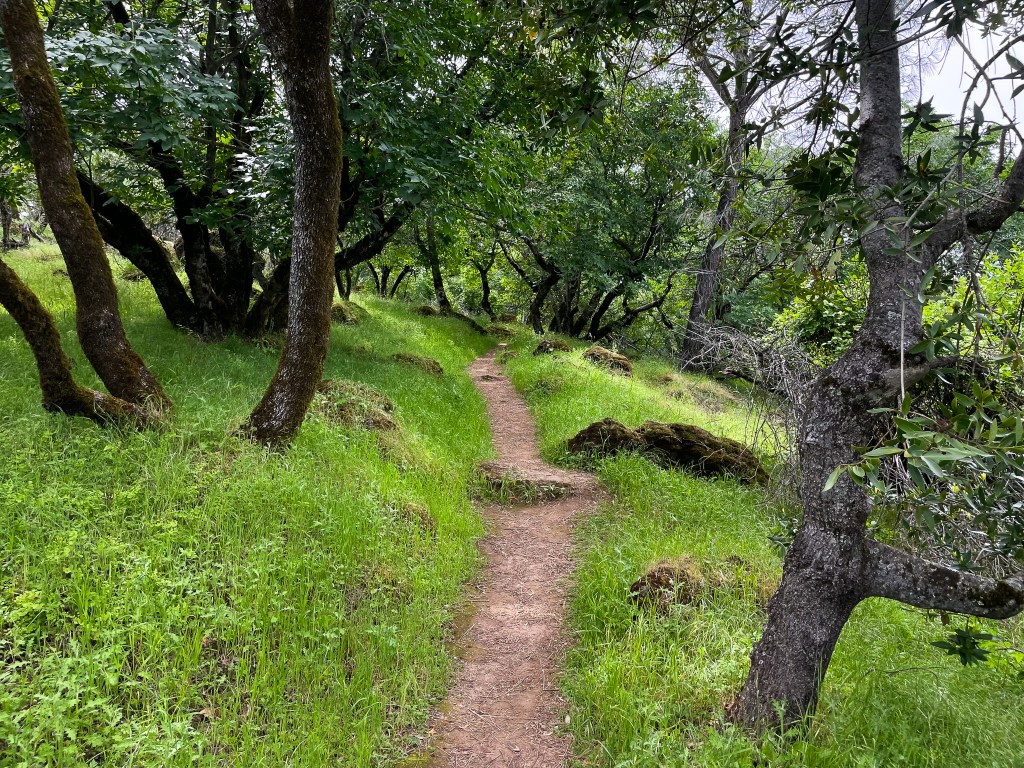
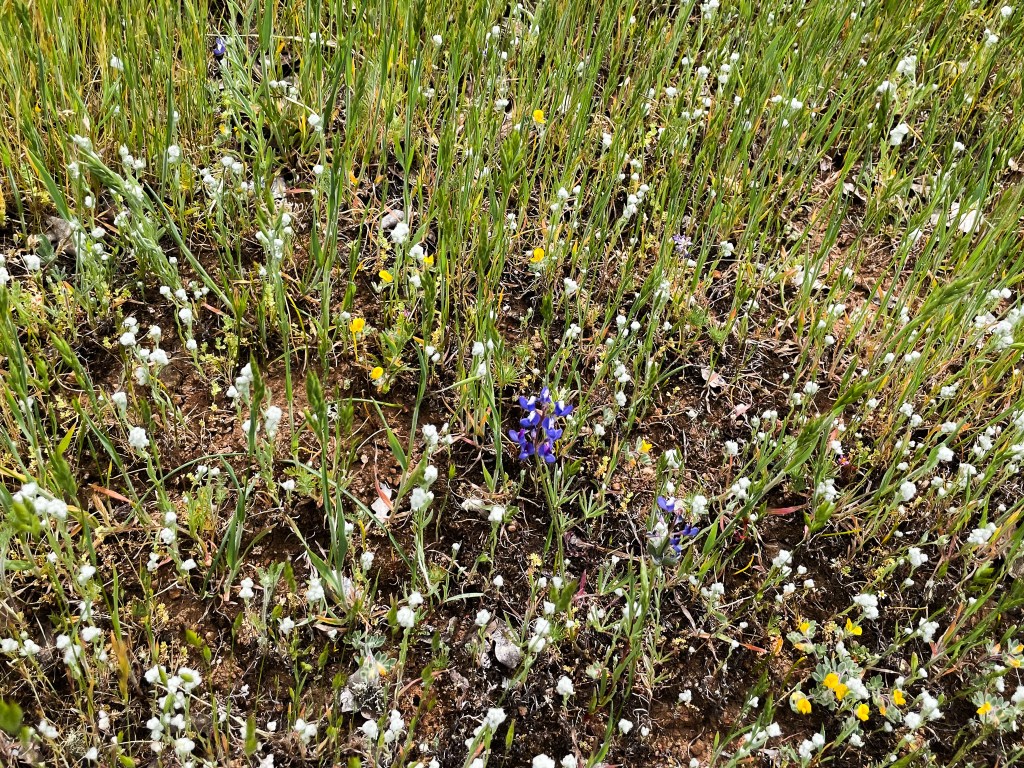
    Even then, the upper Dorn Nature Trail still sees plenty of sun, and the wildflowers are happy to soak it up. Blue dicks, lupine, buttercups, and douglas iris add colorful splashes of paint to green grasslands.
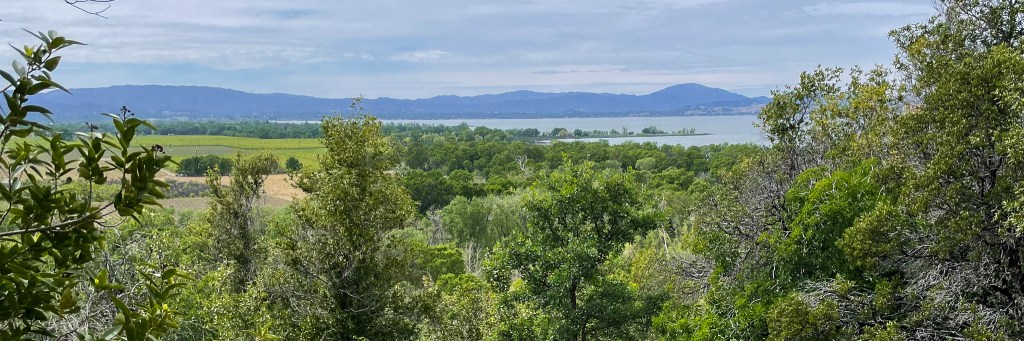
    At the top of the ridge, occasional glimpses of Clear Lake can be found in any clearing, but the most comprehensive view of Clear Lake is found near the end of the trail. Called Lake Overlook on the brochure, this vista grants views of western Clear Lake and the rolling ridgeline of the Mayacmas. This vista is a fitting finale to a hike that has exceeded expectations and demonstrated the quiet beauty of Clear Lake.
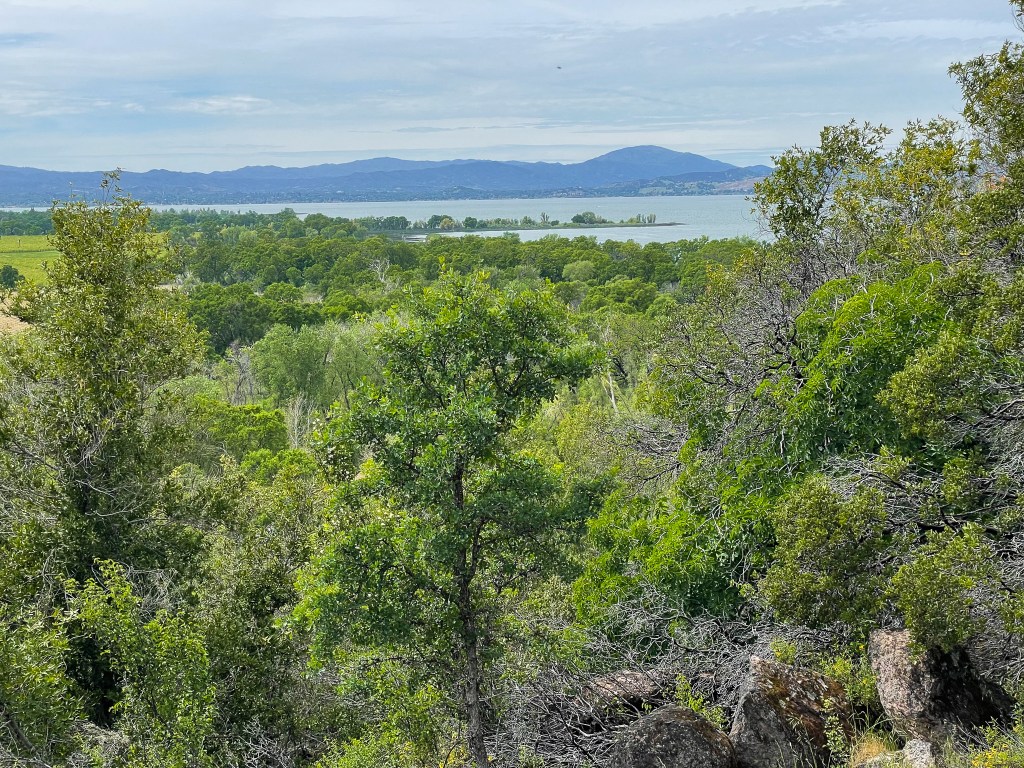
    Lake Overlook

  • Doane Valley

    Doane Valley

    The landscape of Southern California is known for its beautiful beaches and steep mountains clad with sun-blasted chaparral. If you’re looking for an epic hike that ascends to astounding heights with far-reaching views over the smoggy southland megalopolis, Palomar Mountain is not for you. If gurgling creeks lined with ferns, towering conifers and quiet meadows sounds like a snore, Palomar Mountain is not for you. Palomar Mountain State Park preserves Southern California’s best kept secret, which is a Sierra away from the Sierra, and is a must-visit for nature lovers yearning for a break from Southern California.

    Doane Valley

    My journey begins at the day use parking lot for Doane Pond, a man-made reservoir that hosts opportunities for fishing and chilling. While not devoid of people, I’ve never had a challenge parking here – even on a Memorial Day weekend afternoon. Doane Pond is not part of my hike today, so I follow the stairwell down across the campground road and onto a trail leading into the ravine of Doane Creek.

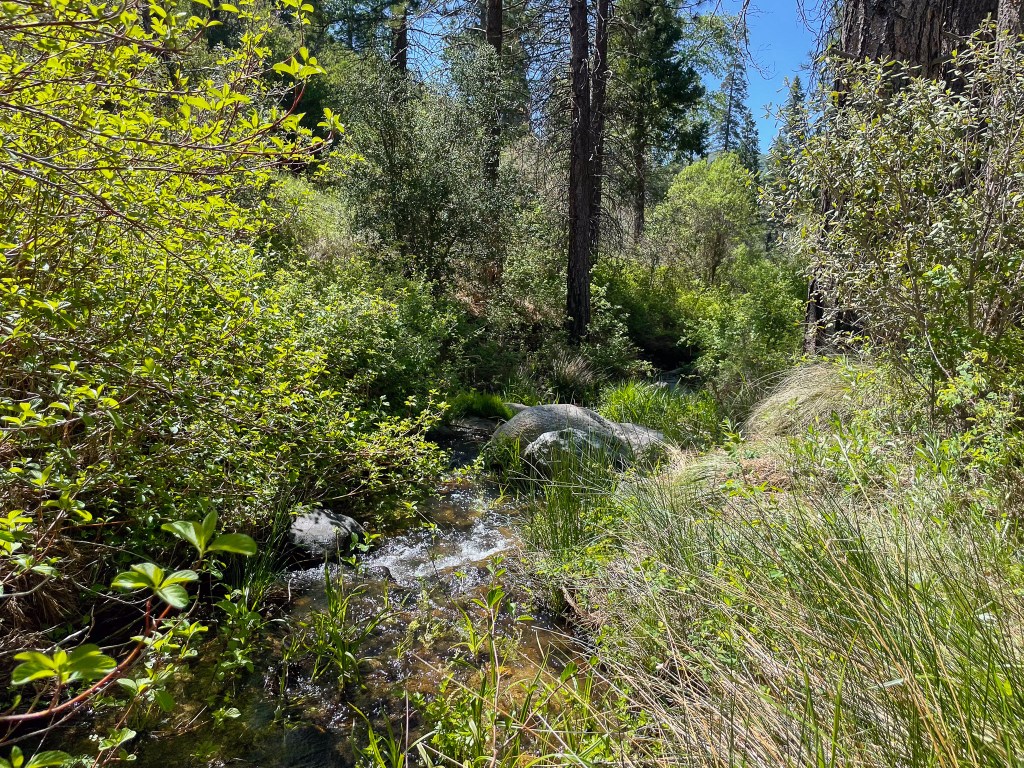
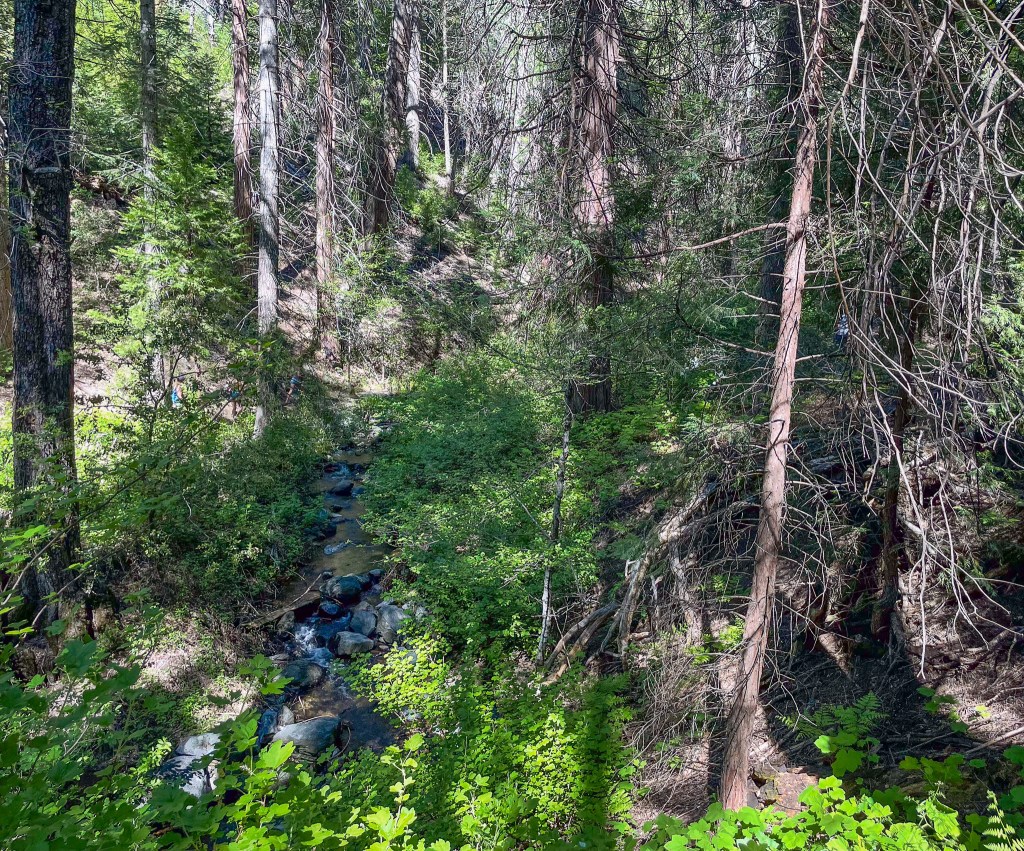
    Doane Creek

    Palomar Mountain is an anomaly in Southern California. The western portion of Palomar Mountain receives over 30” of rain per year, allowing species such as White Fir and Incense-Cedar to grow far larger and at lower elevations than its Southern California peers. A testament to Palomar Mountain’s microclimate is that it is the only home of the banana slug south of Point Conception.

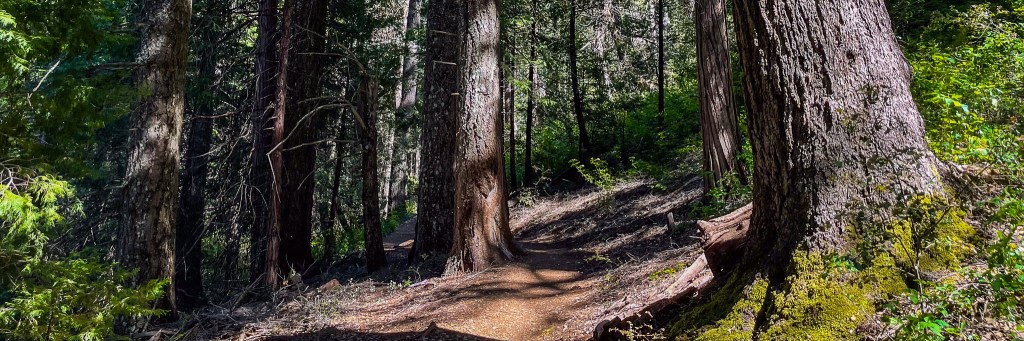
    The forest found along Doane Creek is more enchanting than any other I’ve seen in Southern California. Incense cedars and white fir form a sky-scraping canopy, reaching more than 100’ in height. Canyon live oaks, pacific dogwood and white alder provide dense shade and vivid greenery in the understory.

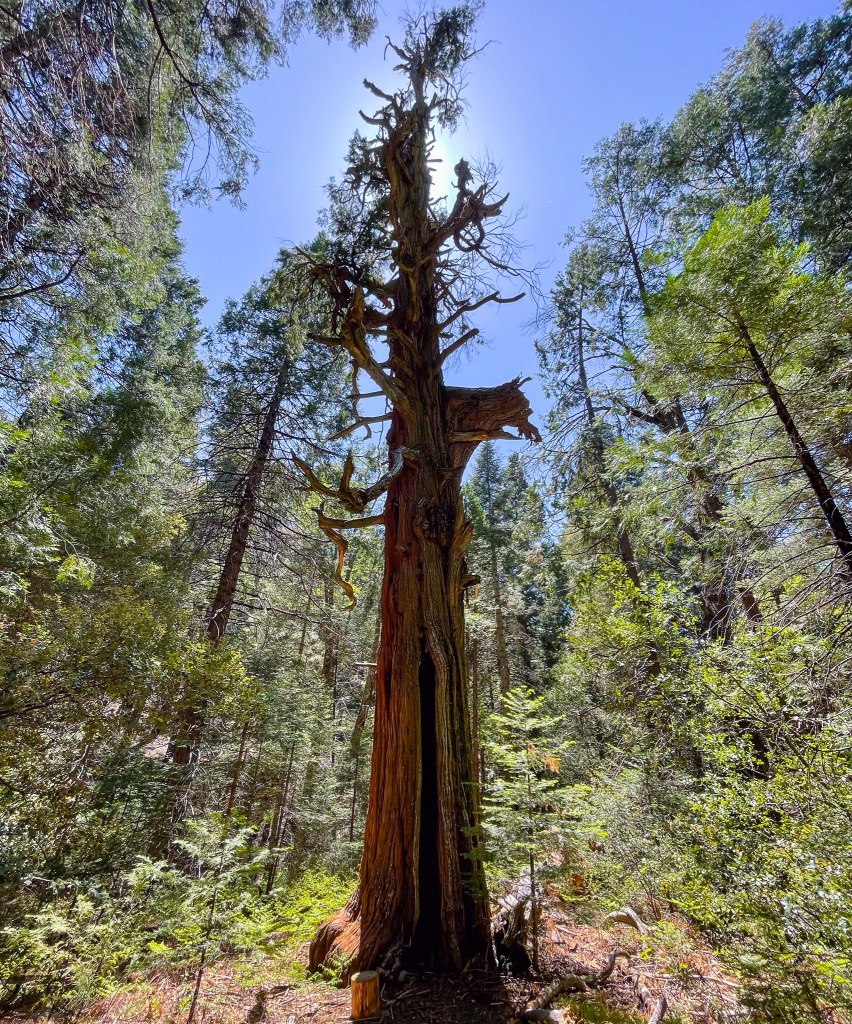
    Reaching a junction, I eschew this lovely forest for now and cross Doane Creek. The canopy, now much more open, features some particularly massive incense-cedars that thrive on these west-facing slopes. One particularly large incense cedar, who I’ll name Hot Tamale, gets its own display placard.

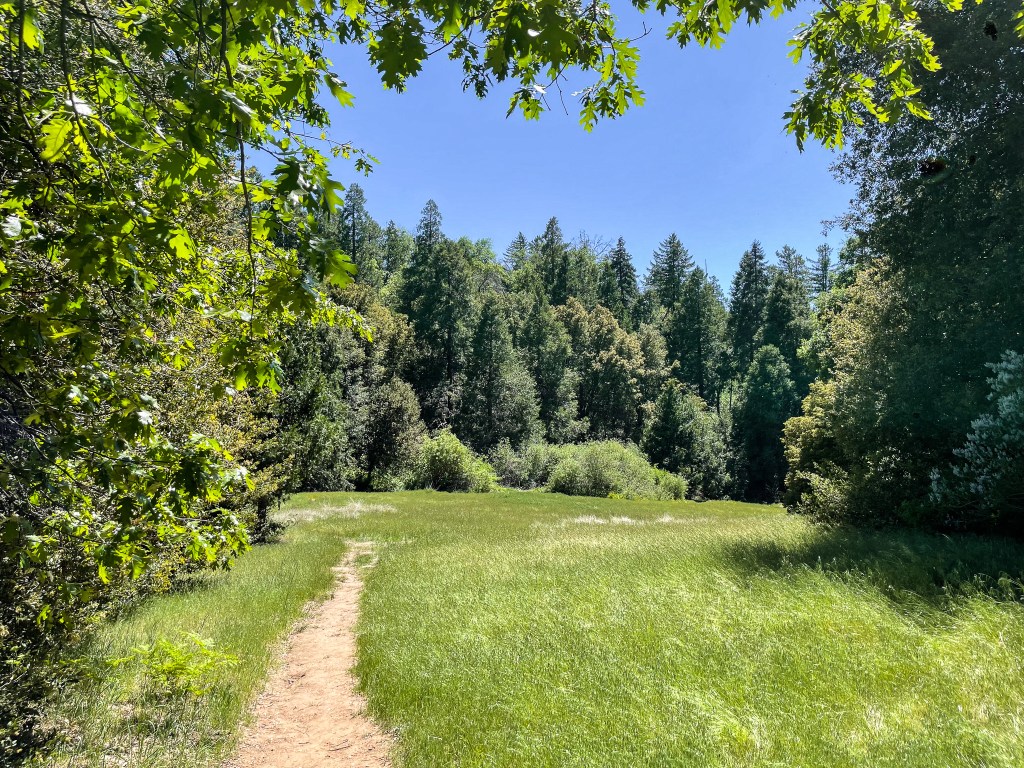
    After reaching a small meadow, the influence of Doane Creek wanes and a transition to a more traditional Southern California woodland takes over. Stately Ponderosa Pine and Black Oaks stake claims along grassy outcrops.

    Finding myself at another junction between the Lower Doane Trail and French Valley Trail, I opt for the latter. Conifers quickly change to Oaks Of Particular Size, shading you along the rim of Doane Valley. One felled giant oak, informally nicknamed the Uncle Oak, lies dead on the trail after being killed in the 2007 Poomacha Fire. You’ll know it when you see it.

    An Oak of Particular Size on the trail (not Uncle Oak)

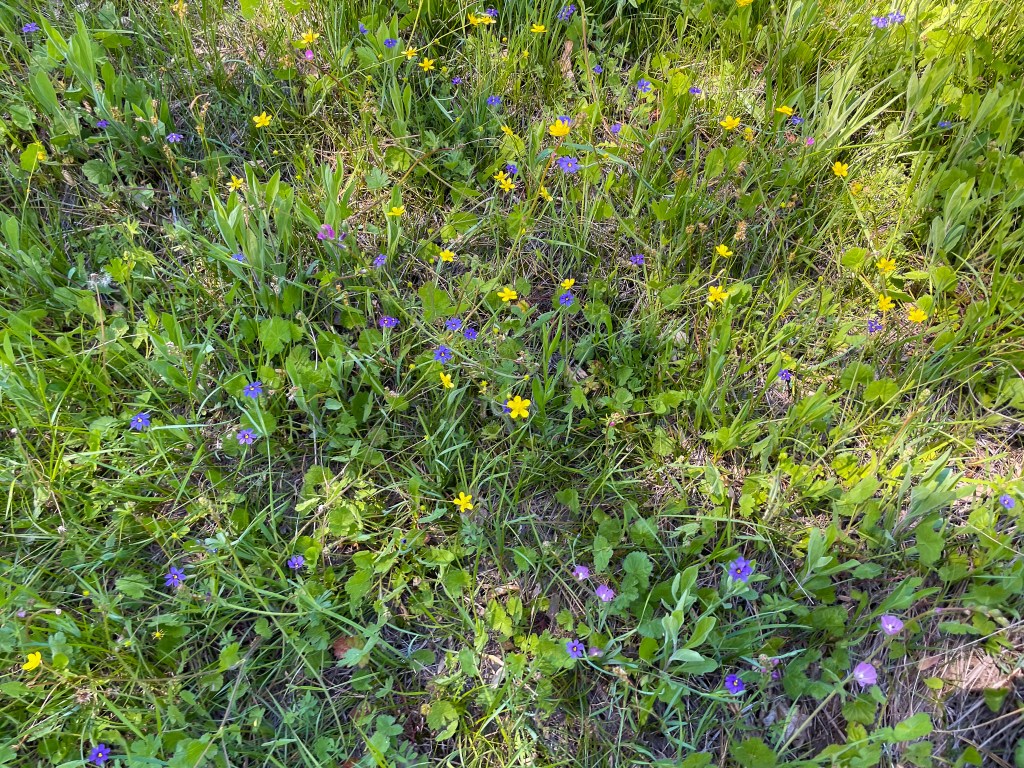
    Wildflowers flourish on the fringes of these woodlands, particularly so when the trail meets Lower Doane Valley. Blue-eyed grasses, buttercups, checkerbloom and baby blue eyes paint splashes of blue, pink and yellow in fields of fresh green grasses and forbs.

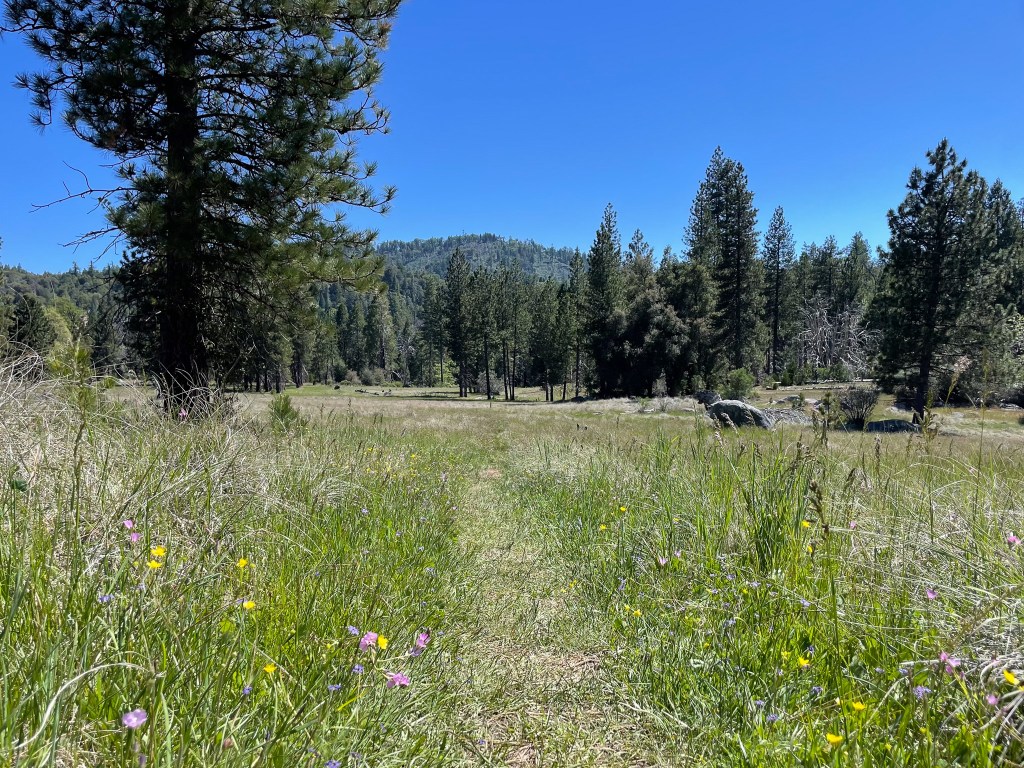
    The grassy tread of Lower Doane Valley is overgrown year-round, but it would require consistent manpower that far supersedes the budget of the park to keep clear. On the flipside, there’s a “sound of music” like experience of being able to frolic in wildflower-speckled meadows.

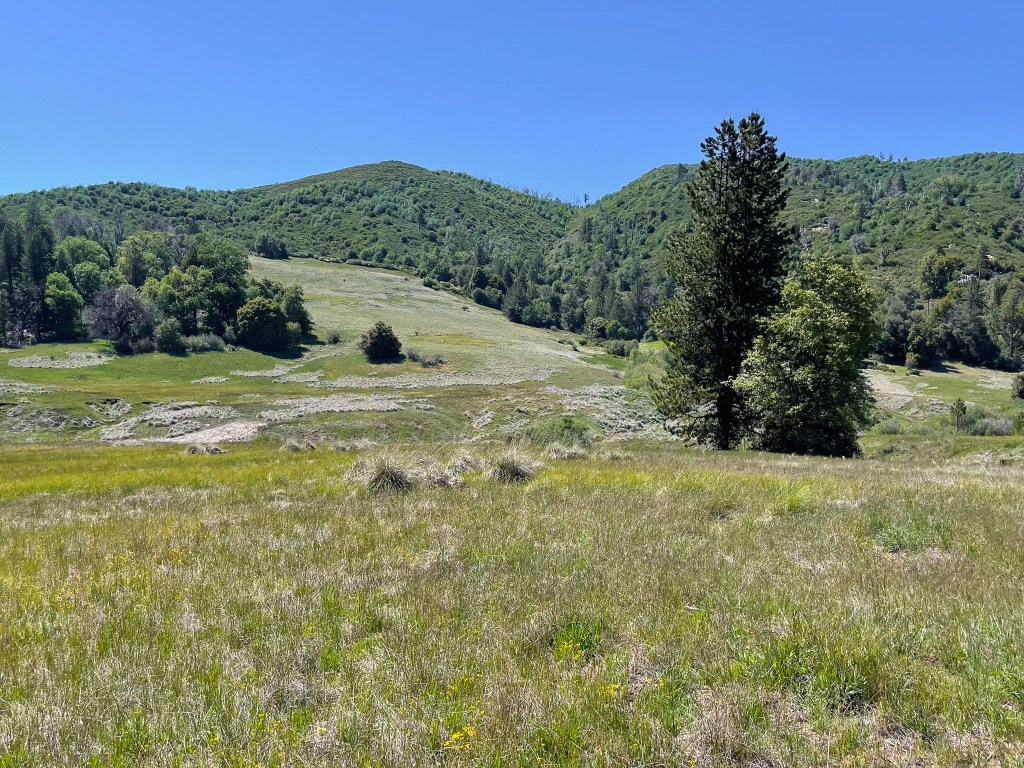
    French Valley is the magnum opus of Palomar Mountain, and scenic in a way that Southern California is often not. Where many natural highlights of the southland are often stark and dramatic, French Valley is tranquil and idyllic. Verdant grasses spread in every direction up gentle enclosing slopes, with pines standing tall and proud like statues in a garden.

    Retracing my steps through deteriorating tread, I relocate my north star in Doane Creek and proceed alongside the creek back into forest. The creek is notably closer to the trail than it is farther up the valley, and provides auditory ambience on the return journey.

    The canopy once again encloses me underneath massive trees. The forest is even more impressive this deep in the valley, reassuring me that I saved the best for last.

    While leaving Palomar Mountain State Park, I reflect on my drive about how different the environment is just a couple miles out from Palomar. The grade of the road is steep and the scenery is epic, just like the rest of Southern California, but sometimes the body and mind yearn for something chill. And for that, there’s always Palomar.